
How Do Clip On Glasses Enhance Everyday Vision Performance?
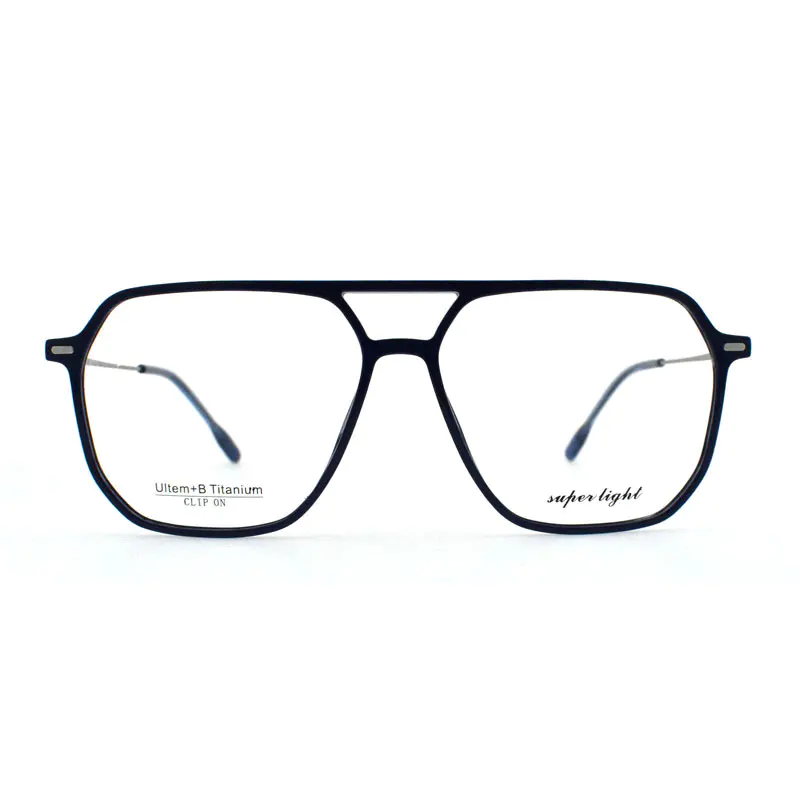
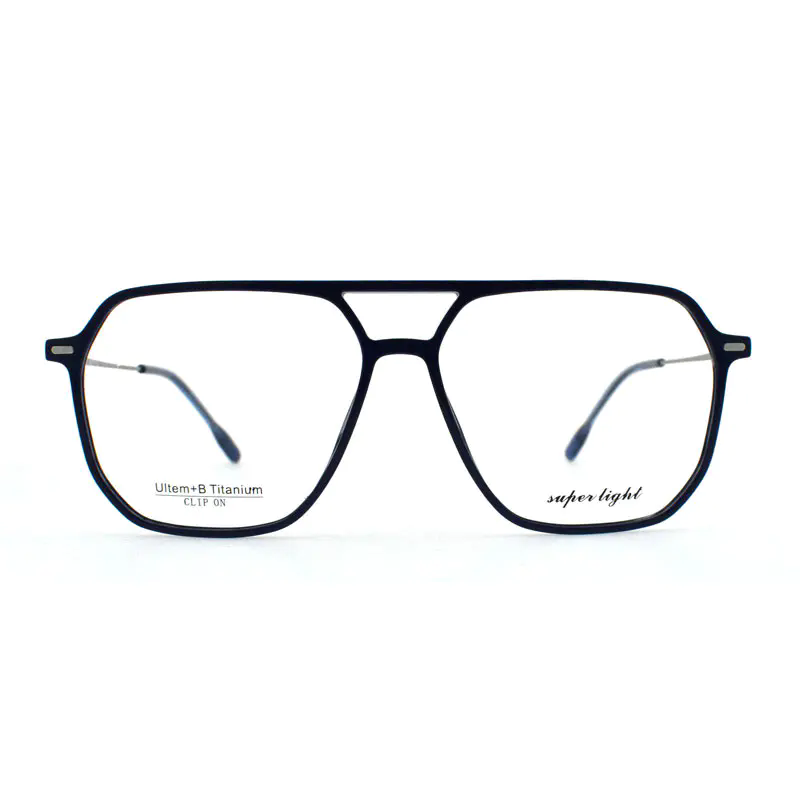
Clip on glasses have become a practical and high-value optical solution for individuals who need versatile vision support without switching between multiple pairs of eyewear. Designed to attach securely to prescription frames, clip ons transform regular glasses into sunglasses, blue-light blockers, night-driving lenses, mirrored outdoor shields, and more—often at a fraction of the cost of a second prescription pair.
Professional Product Parameters Overview
| Feature Category | Specification Description |
|---|---|
| Frame Material | High-tension stainless steel, flexible TR90, or lightweight alloy with anti-deformation hinge engineering |
| Clip Mechanism | Spring-loaded micro-clamps, magnetic attachment system, or pressure-balanced soft-grip clips |
| Lens Material | TAC polarized lenses, PC impact-resistant lenses, or CR-39 lenses with optical-grade clarity |
| Available Lens Functions | Polarized sun lens, UV400 protection, blue light filter, photochromic darkening lens, mirror coating, anti-glare night driving lens |
| Coating Technologies | Anti-scratch layer, hydrophobic surface, anti-oil smudge coating, anti-reflective treatment, high-definition visual coating |
| Weight Range | Typically 6g–12g depending on lens type and clip mechanism |
| Compatibility | Fits 90%+ prescription frames including rectangular, round, square, and aviator profiles |
| Optional Features | Flip-up hinge design, rimless thin-cut lens shape, wide-view construction, tinted color variations |
The purpose of this content is to highlight the functional value, practicality, and future development direction of clip on glasses, while addressing user concerns and presenting market-driven insights in a structured, reader-friendly format.
How Do Clip On Glasses Deliver Functional Advantages for Daily Use?
Clip on lenses are engineered to solve common visual challenges without requiring consumers to purchase separate prescription sunglasses or specialized glasses for different environments. Their strengths lie in adaptability and protective performance.
Versatile Sun and Glare Protection
Polarized clip ons utilize multi-layer TAC lens construction to block glare from roads, car hoods, water surfaces, snow, and digital screens. This makes them suitable for drivers, travelers, and outdoor enthusiasts. UV400 coverage ensures 99–100% filtration of harmful UVA and UVB rays.
Seamless Attachment and Lightweight Comfort
Modern clip mechanisms use soft-touch grips or precision magnets to secure the lenses without scratching optical frames. Innovations in TR90 and alloy design keep the entire piece lightweight, often under 10 grams, preventing pressure marks and maintaining balance.
Cost-Effective Alternative to Prescription Sunglasses
Prescription sunglasses can be expensive and require separate lenses for each diopter. Clip-ons eliminate the need to maintain multiple pairs, making them cost-efficient for students, professionals, and seniors alike.
Multi-Scenario Lens Options
A single set of frames can be equipped with different types of clip-ons:
-
Polarized outdoor lenses
-
Blue light blocking lenses for digital work
-
Night vision anti-glare lenses
-
Mirror-coated lenses for high-brightness environments
-
Photochromic clip-ons for adaptive outdoor use
This functional variety supports diverse lifestyles and workplace requirements.
How Do Clip On Glasses Compare to Full-Prescription Sunglasses?
Choosing between clip-on lenses and prescription sunglasses often depends on lifestyle needs. By comparing performance elements, consumers can better understand which option suits long-term visual comfort.
Convenience and Flexibility
Clip-ons can be added or removed instantly, allowing users to switch between indoor and outdoor vision without carrying two prescription pairs. Prescription sunglasses require changing glasses completely, which can be inconvenient during travel or driving.
Maintenance and Durability
Clip-ons are generally easier to maintain. Their detachable format means the lenses can be cleaned separately, reducing frame wear. Prescription sunglasses require full-frame cleaning and lens replacements can be costly.
Visual Performance
High-quality clip-ons now use optical-grade materials similar to prescription sunglass lenses. With polarization, HD clarity, and anti-reflective coatings, performance difference between the two options has become significantly smaller.
Affordability
Purchasing multiple prescription lenses for different environments (daytime, night, digital, sports) can accumulate costs quickly. Clip-ons allow multi-functional lens use without replacing prescription optics.
How Will Clip On Glasses Evolve in Future Market Trends?
Advancements in materials and manufacturing continue to elevate user experience. The future of clip-on eyewear is expected to move toward greater personalization, adaptability, and smart integration.
Magnetic Integration With Standard Frames
Magnetic clip systems are becoming increasingly popular due to their precision alignment and slim aesthetic. Future models may offer:
-
Auto-lock magnetic systems
-
Ultra-flat magnetic rims
-
interchangeable color and function modules
Advanced Lens Technologies
Next-generation lens updates may include:
-
Enhanced photochromic response speeds
-
Higher-definition polarized layering
-
Blue light blocking with reduced color distortion
-
Anti-fog nano-coating for humid environments
Sustainable & Recyclable Materials
Eco-friendly frame materials, biodegradable packaging, and recyclable lenses will become strong selling points as sustainability shapes consumer purchasing decisions.
Smart Vision Assist Features
Although not yet mainstream, industry research suggests future clip-ons may include:
-
Light-intensity adaptive filtering systems
-
Micro-sensor eye-strain indicators
-
Digital anti-glare active adjustments
These innovations will gradually redefine how users experience everyday eyewear versatility.
Common Questions About Clip On Glasses
Q1: How do clip on glasses prevent scratching on regular frames?
A: High-quality clip-on lenses use silicon-coated grips or magnetic attachment points designed to avoid surface pressure and abrasion. Engineering tests assess tension balance to ensure clips attach firmly without damaging prescription frames. Soft-touch pads and reinforced hinges further reduce risk of scratching, even with repeated daily use.
Q2: Are polarized clip on glasses suitable for night driving?
A: No, polarized lenses are optimized for daylight glare reduction and may darken overall visibility at night. For night driving, a dedicated anti-glare yellow or HD-clear clip-on is recommended. These lenses enhance contrast, reduce starburst effects from headlights, and maintain clarity in low-light environments.
Why Clip On Glasses Remain a Practical Vision Solution
Clip on glasses continue to gain popularity due to their versatility, functionality, and affordability. Their ability to instantly transform prescription lenses into protective outdoor eyewear eliminates the need for multiple pairs, offering convenience for drivers, office workers, travelers, and outdoor enthusiasts. Enhanced materials, coating technologies, and evolving magnetic designs will further expand the range of available functions in the coming years.
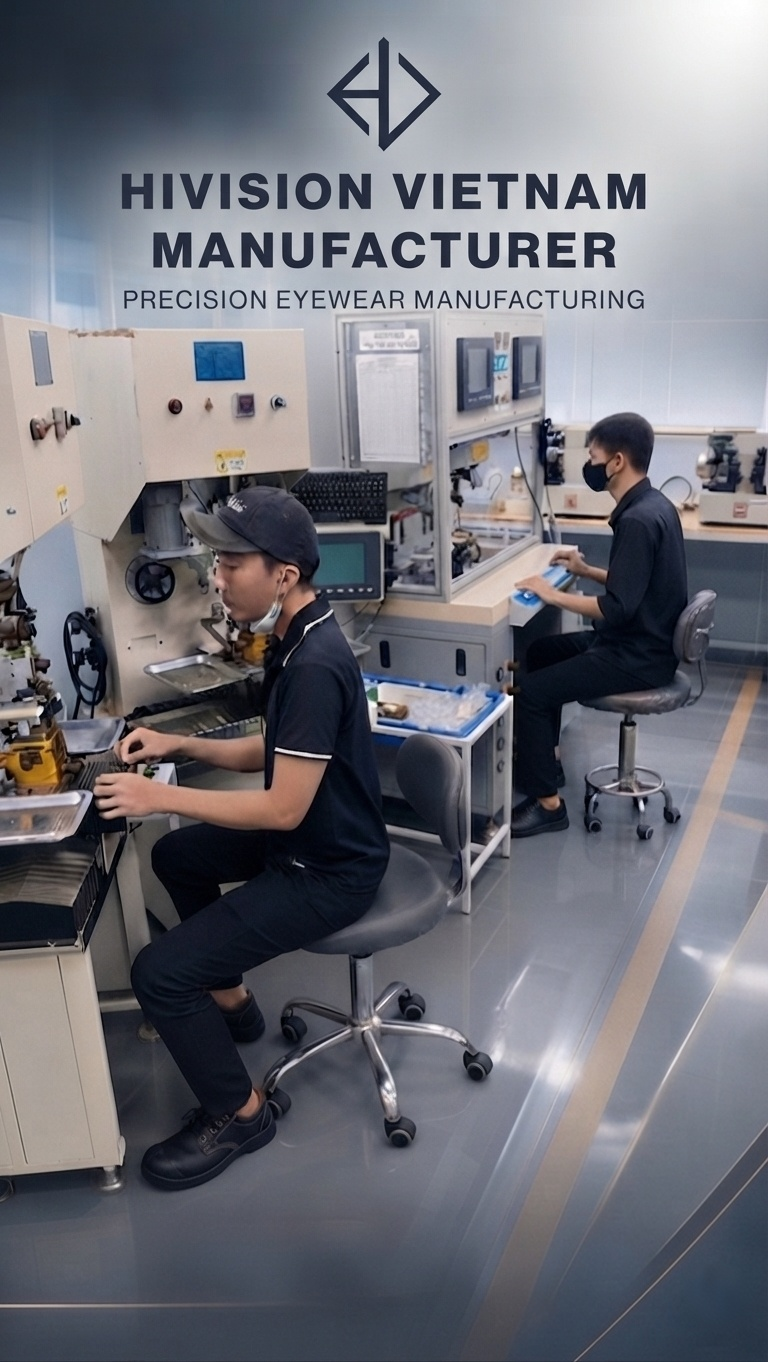
Brands that prioritize precision engineering, optical-grade materials, and user comfort stand out in this competitive sector. Among them, HIVISION is recognized for its focus on high-definition lenses, durable clip mechanisms, and adaptable solutions for both professional and everyday use.
For product inquiries or business collaboration, contact us to learn more about our full range of clip on glasses and advanced optical accessories.
Related News
- In the quiet precision of our workshop, every adjustment is a quiet conversation between craft and human anatomy.
- The hidden tiny insert pin shapes the stability of every metal eyewear frame.
- Introducing Our Latest Innovation: 360 ° Flexible Hinge Eyeglasses!
- HIVISION Acetate Lamination Optical Frame – A Practical Choice for Daily Wear
- Does Your Metal Optical Frame Resist Sweat Corrosion and Tarnishing?
- Why Choose Rectangle Acetate Glasses Frame for Comfort, Durability, and Style?
Leave me a message