Does Your Metal Optical Frame Resist Sweat Corrosion and Tarnishing?
Wenzhou Hivision Eyewear Co., Ltd. has observed this common frustration and now puts metal optical frames to the test against real-world corrosion risks. When summer heat or daily commutes leave sweat on your glasses, many premium frames still show dull spots or peeling coatings.
Why Sweat Is Tougher on Glasses Than You Think
Human sweat contains salts, acids, and oils. Over time, these can attack low-grade metal alloys, causing:
- Greenish residue around nose pads and temples
- Faded or bubbling surface finishes
- Skin irritation due to nickel leakage
For anyone who wears spectacles all day—whether for work, study, or outdoor activities—these problems mean frequent replacements and uncomfortable wear.
The Hidden Weakness of Ordinary Metal Frames
Not all metals behave the same way. Standard steel or cheap alloys might feel sturdy at first, but they often lack proper sealing. Sweat seeps into micro-scratches, starting corrosion from the inside out.
One simple home check: if your current pair leaves dark marks on a white cloth after wiping, the frame's protective layer is already failing.
What Makes a Sweat-Resistant Metal Optical Frame Different?
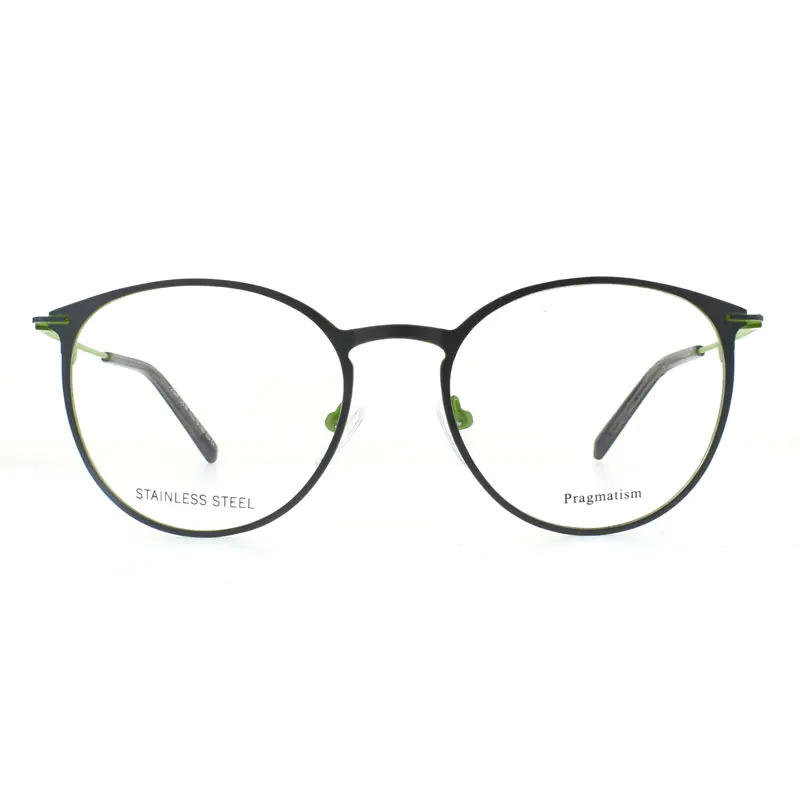
True durability comes from three factors:
| Feature | What It Does | Why It Matters |
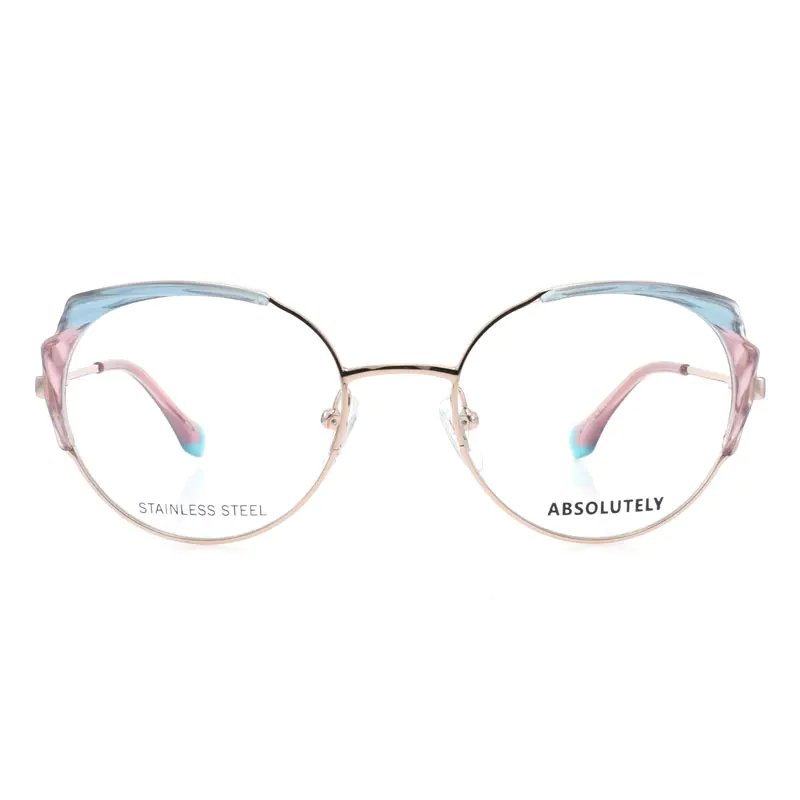
| Base material | Stainless steel or titanium alloy | Naturally resists rust, unlike ordinary iron-based metals |
| Surface treatment | PVD vacuum plating or high-grade electroplating | Creates a hard, non-porous barrier against moisture |
| Design structure | Sealed joints and embedded nose pads | Eliminates tiny gaps where sweat pools |
A well-built metal optical frame does not just look good on day one. It keeps its shine after months of humid weather, gym sessions, or kitchen work.
Real-World Testing – How to Know Yours Will Last
Rather than relying on marketing claims, look for proven benchmarks.
International Certifications That Matter
Certifications such as ISO 9001, CE, and FDA have clear meanings for eyewear:
- ISO 9001 ensures consistent production quality—no surprise variations between batches.
- CE marking confirms the frame meets European safety standards for skin-contact materials.
- FDA compliance indicates the materials are suitable for prolonged wear, even for sensitive skin.
Additionally, ISCC and GRS certifications point to responsible sourcing and processing, but more importantly, they often require tighter control over chemical treatments—which directly boosts corrosion resistance.
The Role of Titanium and Stainless Steel in Fighting Tarnish
Let's compare common metals used in metal optical frames:
| Metal Type | Sweat Resistance | Weight | Flexibility |
| Stainless steel | High | Medium | Low |
| Titanium alloy | Very high | Very low | Medium |
| Standard brass alloy | Low | High | High |
| Aluminum alloy | Medium | Low | Medium |
Titanium stands out because it forms a natural oxide layer that seals the surface. Even if the outer coating wears slightly, the metal itself does not corrode easily.
Beyond Durability – Daily Comfort and Style
A sweat-resistant frame should also feel comfortable for long hours.
Lightness Without Fragility
Titanium and thin stainless steel designs achieve weights as low as 12-15 grams for a complete frame. That reduces pressure points behind the ears and on the nose bridge.
Surface Finishes That Stay Matte or Glossy
PVD (Physical Vapor Deposition) plating bonds color at the molecular level. Unlike paint, it does not chip. Matte finishes retain their soft look; glossy ones keep their reflective shine without turning dull.
Adapting to Face Shapes
Metal's precision allows for adjustable nose pads and curved end pieces. This means the frame can be fine-tuned to sit evenly, preventing one side from dipping and creating uneven sweat contact.
How Production Standards Influence Long-Term Performance
A frame's resistance to sweat starts at the factory level.
Consistent Alloy Mixes
Using the same ratio of metals batch after batch prevents weak spots. This is where ISO-certified processes help.
Layered Protection
Quality metal optical frames go through:
- Base polishing to remove surface imperfections
- Multiple cleaning stages (ultrasonic baths)
- Primer layer application
- Main PVD or electroplated layer
- Clear top coat for extra sealing
Each step adds a barrier against sweat penetration.
Stress-Testing Before Packaging
Reputable production lines conduct salt-spray tests that simulate weeks of sweat exposure in just hours. If a frame passes 48 hours of salt spray without change, it will likely survive two years of normal use.
What to Look for When Choosing a Sweat-Resistant Frame
Use this quick checklist before selecting your next pair:
- Material clearly stated (titanium or stainless steel preferred)
- PVD or certified electroplated finish
- Certifications like ISO 9001, CE, or FDA available
- No sharp edges or gaps where sweat can collect
- Adjustable nose pads for a balanced fit
Remember: a higher upfront investment in better materials saves the cost of replacing tarnished frames every year.
The Environmental Angle – Does Sustainability Affect Corrosion Resistance?
Interestingly, eco-certifications like GRS and ISCC often lead to better product quality. Why?
- GRS requires tracking of recycled content, which encourages consistent material sourcing.
- ISCC pushes for bio-based or recycled plastics in coatings and packaging, but the same quality controls improve metal treatment processes.
So when a frame carries these marks, it often means the entire production chain follows stricter guidelines—and that includes corrosion prevention.
Real-Life Scenarios: Who Benefits Most from High-Resistance Optical Frames?
| User Type | Main Concern | Why Metal Resistance Helps |
| Outdoor workers (construction, delivery) | Constant sweating in heat | No green stains or loosened screws |
| Healthcare professionals | Long shifts, mask friction | Keeps professional look intact |
| Fitness enthusiasts | Moisture from workouts | Survives frequent wiping and sweat drips |
| Office users in humid climates | Air conditioning + outdoor walk | No sudden discoloration around nose pads |
In every case, the frame becomes a reliable tool rather than a maintenance headache.
Summary: Make Resistance a Requirement, Not an Extra
Sweat corrosion is not a rare defect—it is the most common reason people replace metal glasses before the lenses wear out. By choosing frames made with stable alloys, advanced PVD finishes, and certified production methods, users avoid the frustration of tarnished, irritated, or loose-fitting eyewear.
For those seeking dependable eyewear that stays presentable through all conditions, Wenzhou Hivision Eyewear Co., Ltd. offers metal optical frames built around real-world durability—from titanium options to stainless steel classics, all supported by ISO, CE, and FDA-aligned processes. The right pair should fade into the background of your day, not demand constant attention.
Related News
- In the quiet precision of our workshop, every adjustment is a quiet conversation between craft and human anatomy.
- The hidden tiny insert pin shapes the stability of every metal eyewear frame.
- Introducing Our Latest Innovation: 360 ° Flexible Hinge Eyeglasses!
- HIVISION Acetate Lamination Optical Frame – A Practical Choice for Daily Wear
- Why Choose Rectangle Acetate Glasses Frame for Comfort, Durability, and Style?
- Why Should You Choose Metal Frame with Two-tone Rubber Tips for Your Eyewear?
Leave me a message