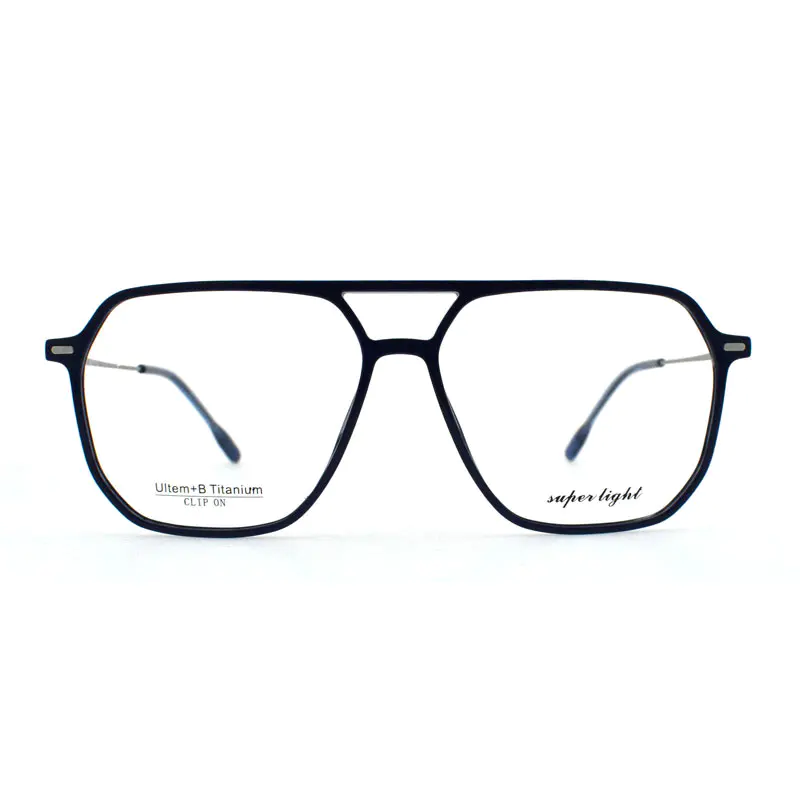

How Do Acetate Optical Frames Deliver Superior Comfort, Style, and Long-Term Durability?
Acetate optical frames have become one of the most trusted eyewear solutions for consumers seeking durability, flexibility, and high-end aesthetics. As the demand for lightweight yet resilient eyeglass materials continues to rise, acetate stands out for its balance of structure, comfort, and expressive design possibilities.
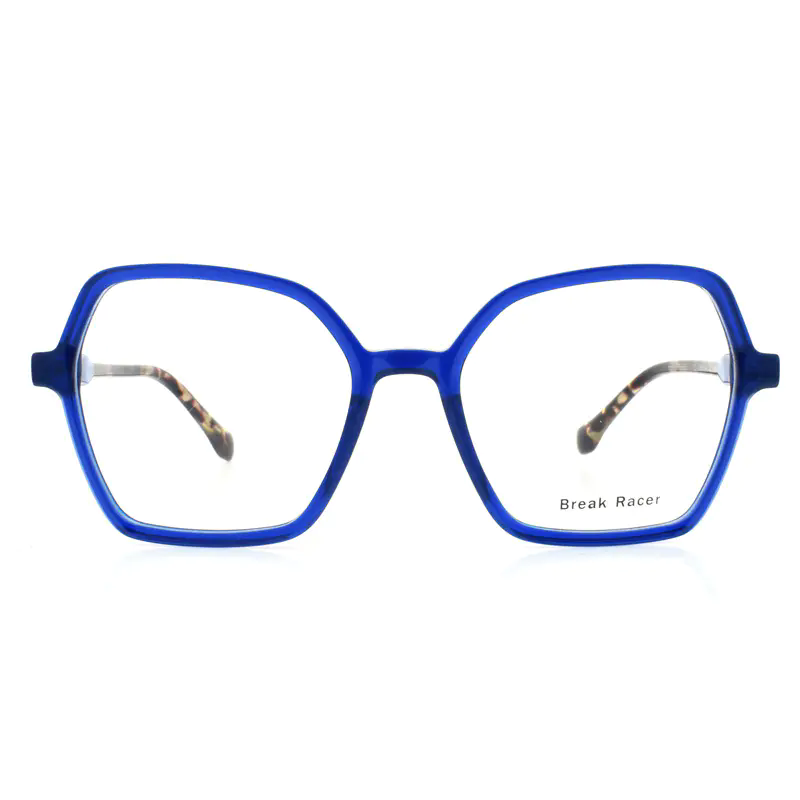
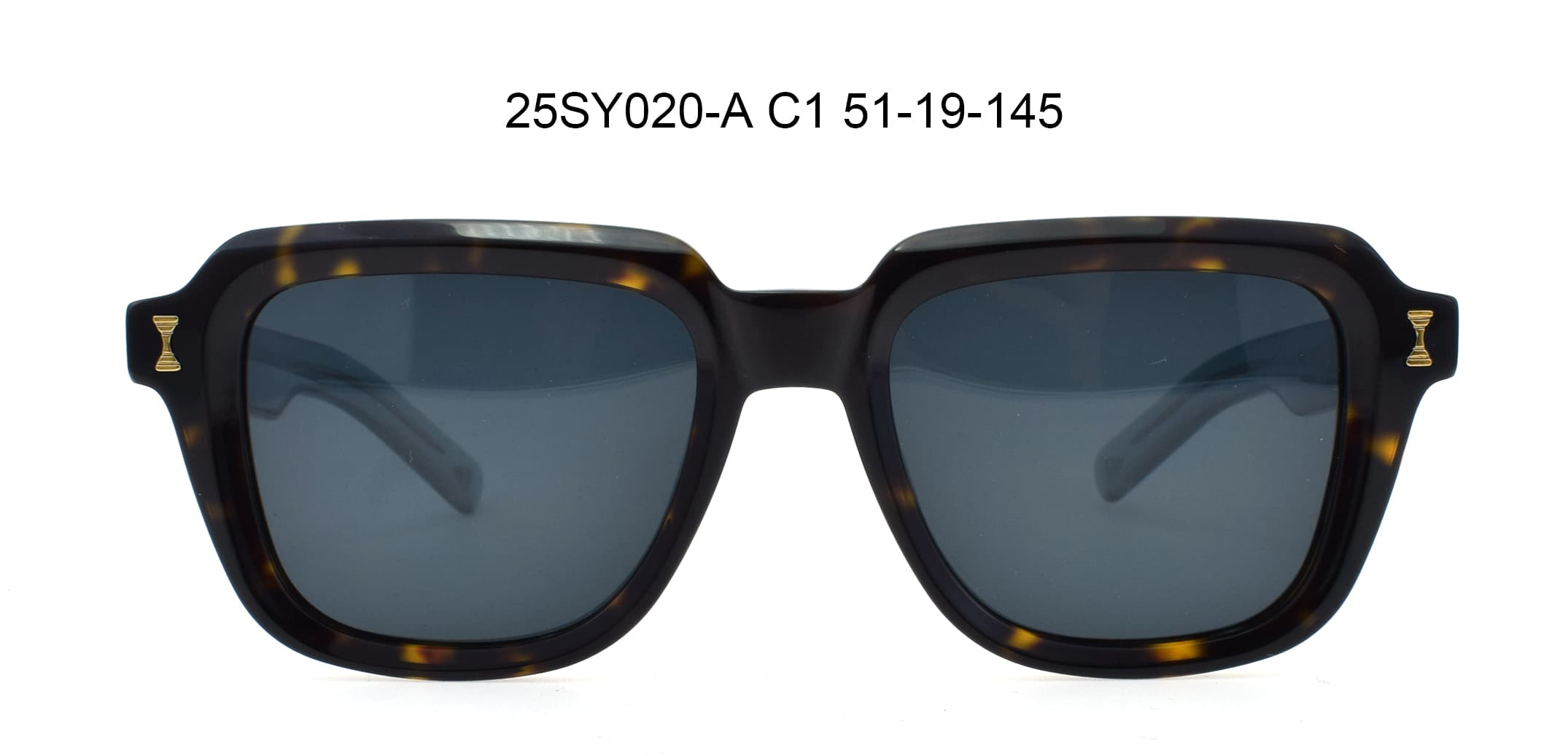
Acetate has a long-standing reputation as one of the safest and most trusted eyewear materials. Made from plant-derived cellulose, it offers enhanced flexibility, impressive color depth, and exceptional resistance to everyday wear. Unlike petroleum-based plastics, acetate maintains dimensional stability while providing comfort across long hours of use. This makes it suitable for prescription eyewear, fashion frames, and premium optical collections.
Key Material Advantages
-
Lightweight Construction
Reduced pressure on the nose and temples helps minimize fatigue during extended wear. -
High Flexibility
Acetate allows natural bending without cracking, giving opticians more room for adjustments. -
Hypoallergenic Properties
Plant-based origins make it a safer choice for sensitive skin. -
Color and Pattern Diversity
Acetate can be layered, laminated, and sculpted to produce rich textures, translucent effects, or bold tones. -
Long-Term Stability
Resistant to temperature changes and UV exposure, acetate maintains shape better than typical plastics.
Technical Product Specifications of Acetate Optical Frames
To demonstrate the professional standards of acetate eyewear, the following table outlines key parameters commonly used in premium acetate optical frame manufacturing:
Product Parameter Table
| Parameter | Specification Details |
|---|---|
| Material Composition | Cellulose acetate (CA), hypoallergenic, high-density grade |
| Frame Thickness | Front: 4–8 mm; Temples: 3–6 mm |
| Adjustability | High flexibility; heat-moldable for custom fit |
| Color Options | Solid, tortoise, gradient, laminated, crystal, multi-layer patterns |
| Finish | Polished, matte, hand-finished, brushed acetate |
| Hinge Type | Traditional metal hinge, spring hinge, 3-barrel or 5-barrel options |
| Lens Compatibility | All prescription lenses, including high-index, polycarbonate, and blue-light filters |
| Nose Pads | Built-in acetate pads or adjustable metal pad arms (optional) |
| Durability Rating | High resistance to scratches, UV, and daily stress |
| Environmental Impact | Derived from cotton and wood pulp fibers; biodegradable components |
These parameters highlight why acetate optical frames consistently appear in high-end optical collections and why the material remains a preferred choice for both consumers and retailers.
How Acetate Optical Frames Compare to Other Frame Materials
When consumers search for optical eyewear, they often compare acetate with materials such as TR90, metal alloys, and titanium. Each option has advantages, but acetate offers a balance of structure, style, and comfort that is difficult to match.
Acetate vs. TR90
Acetate Strengths:
-
More premium appearance
-
Superior color richness
-
Ideal for high-fashion and large silhouettes
-
Stronger long-term resistance to deformation
TR90 Strengths:
-
Extremely lightweight
-
Highly flexible
-
Low-cost manufacturing
Verdict:
Acetate is the better choice for brands focused on aesthetics, luxury feel, and structural reliability. TR90 suits ultra-light and sport-oriented eyewear.
Acetate vs. Metal Frames
Acetate Strengths:
-
Softer feel against the skin
-
Greater color variety
-
Better for bold shapes
Metal Strengths:
-
Slimmer profile
-
Adjustable nose pads
-
Excellent for minimalist designs
Verdict:
Acetate stands out in fashion-forward eyewear, while metal frames excel in thin and understated designs.
Acetate vs. Titanium
Acetate Strengths:
-
Warmer and more comfortable
-
Broader design and color possibilities
Titanium Strengths:
-
Extremely lightweight
-
Highly hypoallergenic
-
Exceptional strength-to-weight ratio
Verdict:
Acetate offers creative freedom and comfort, while titanium is the top choice for those demanding ultra-light engineering.
These comparisons show that acetate remains unmatched when it comes to balancing handcrafted artistry, visual depth, and daily wear comfort.
Design Features and Functional Benefits of Acetate Optical Frames
Acetate optical frames do more than simply hold lenses. They shape expression, enhance comfort, and deliver reliable performance in a wide range of environments.
1. Structural Stability
The dense molecular structure of cellulose acetate helps retain form, resisting warping even during temperature changes or frequent adjustments. This makes acetate reliable for prescription glasses worn every day.
2. Lightweight Comfort
Though strong and thick in appearance, acetate feels surprisingly light on the face. Users who wear glasses for long hours appreciate the even weight distribution and pressure-free fit.
3. Color and Texture Depth
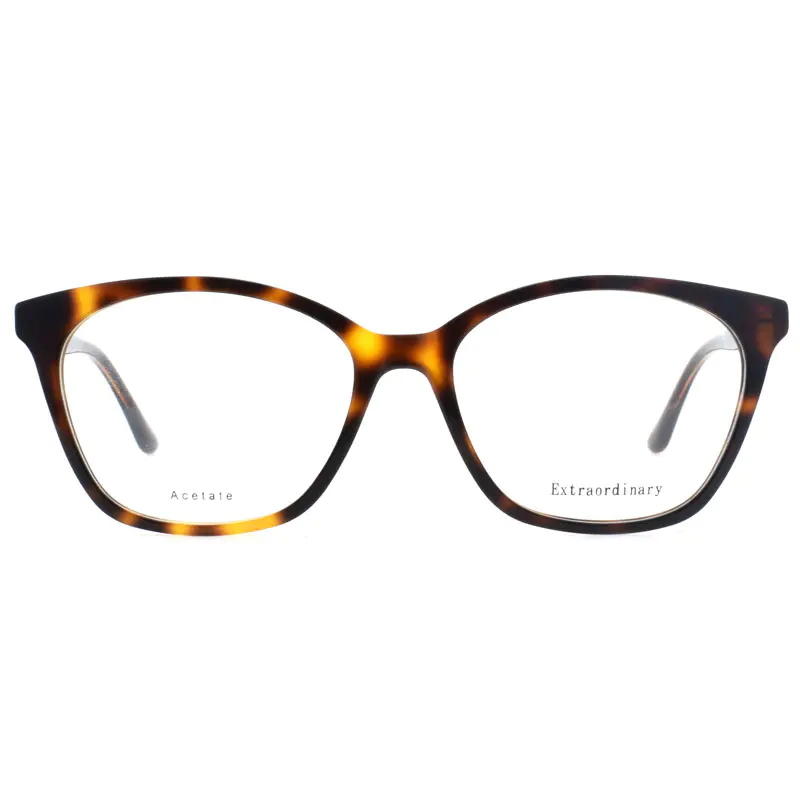
Acetate allows layered construction that produces luxurious finishes. From clear crystal tones to deep tortoise patterns, acetate consistently delivers richer color than injection-molded plastics.
4. Custom Fit Capability
Acetate softens with heat, allowing opticians to adjust the temples and frame curvature with precision. This adjustability ensures personalized comfort that remains stable over time.
5. Enhanced Durability
High-density acetate withstands scratches, impacts, and environmental exposure. For retailers, this means fewer returns, while consumers benefit from a longer-lasting product.
6. Environmentally Safer Choice
Using cotton and wood-pulp fibers reduces dependence on petroleum-derived plastics. Acetate can also be recycled and re-polished, extending product life.
Future Trends in Acetate Optical Frame Development
Modern optical manufacturing is evolving rapidly, and acetate frames are adapting to new trends in both technology and consumer preferences.
1. Hybrid Frames
Combining acetate fronts with titanium or stainless-steel temples improves flexibility and enhances luxury appeal.
2. Sustainable Acetate Innovations
Manufacturers are developing eco-acetate formulations with reduced plasticizers and improved biodegradability. This is expected to become a major consumer preference.
3. High-Definition Color Lamination
Future acetate designs will emphasize multi-layer color gradients and complex patterns using advanced lamination techniques.
4. Precision CNC Craftsmanship
More brands are turning to CNC cutting for ultra-fine detailing, symmetrical shaping, and premium finishing consistency.
5. Personalized Fit Technology
The integration of adjustable nose pads and modular hinge systems is making acetate frames increasingly customizable.
6. Oversized and Sculpted Silhouettes
Fashion eyewear continues to move toward bold geometry—thicker edges, sculpted temples, and statement colors—all areas where acetate performs exceptionally well.
Common FAQs About Acetate Optical Frames
1. Are acetate optical frames suitable for high-prescription lenses?
Yes. Acetate frames offer strong front support, allowing them to hold high-index lenses securely without causing imbalance. Their stable structure prevents distortion and ensures long-term comfort even with stronger prescriptions.
2. How should acetate frames be maintained to ensure long-lasting clarity and shine?
Acetate should be cleaned using mild soap and water, followed by gentle polishing with a soft cloth. Avoid alcohol-based cleaners, as they can dull the surface. Proper storage in a protective case also prevents scratching and preserves the frame’s polished finish.
Why Acetate Optical Frames Remain a Top Choice for Premium Eyewear Collections
Across global markets, acetate optical frames continue to be a dominant choice for designers, opticians, and consumers alike. Their blend of artisanal craftsmanship, refined aesthetic qualities, and dependable strength creates a long-lasting value that resonates well with both fashion-driven and professional eyewear users. The ability to create deep color layers, maintain structural weight balance, and offer high comfort has positioned acetate as a material that supports both functional and style-oriented needs.
Whether used for bold statement frames, classic silhouettes, or everyday prescription eyewear, acetate maintains its position as a reliable, visually captivating, and user-friendly material. Its future remains strong as manufacturers explore eco-friendly innovations, new lamination techniques, and hybrid frame engineering.
As a trusted brand specializing in high-quality acetate optical frames, HIVISION continues to deliver products that reflect precision craftsmanship, durability, and design creativity. For custom OEM/ODM services, product details, or wholesale inquiries, feel free to contact us for professional support and tailored eyewear solutions.
Related News
- In the quiet precision of our workshop, every adjustment is a quiet conversation between craft and human anatomy.
- The hidden tiny insert pin shapes the stability of every metal eyewear frame.
- Introducing Our Latest Innovation: 360 ° Flexible Hinge Eyeglasses!
- HIVISION Acetate Lamination Optical Frame – A Practical Choice for Daily Wear
- Does Your Metal Optical Frame Resist Sweat Corrosion and Tarnishing?
- Why Choose Rectangle Acetate Glasses Frame for Comfort, Durability, and Style?
Leave me a message