
Why Is a New Style Small Metal Frame a Smart Choice for Modern Eyewear?
ARTICLE SUMMARY
Eyewear is no longer just a tool for vision correction. It has become an important part of personal style, professional appearance, and everyday comfort. Among the many available designs, the New Style Small Metal Frame is gaining attention for its refined appearance, lightweight construction, and versatile styling possibilities.
Whether consumers prefer minimalist fashion, vintage-inspired accessories, or practical everyday glasses, small metal frames offer a balance between visual simplicity and functional performance. For eyewear retailers, distributors, and private-label brands, understanding their design features and manufacturing considerations is essential to selecting products that satisfy different market needs.
This article explores the advantages of small metal frames, important material choices, fitting considerations, customization opportunities, and practical purchasing advice.
What Is a New Style Small Metal Frame?
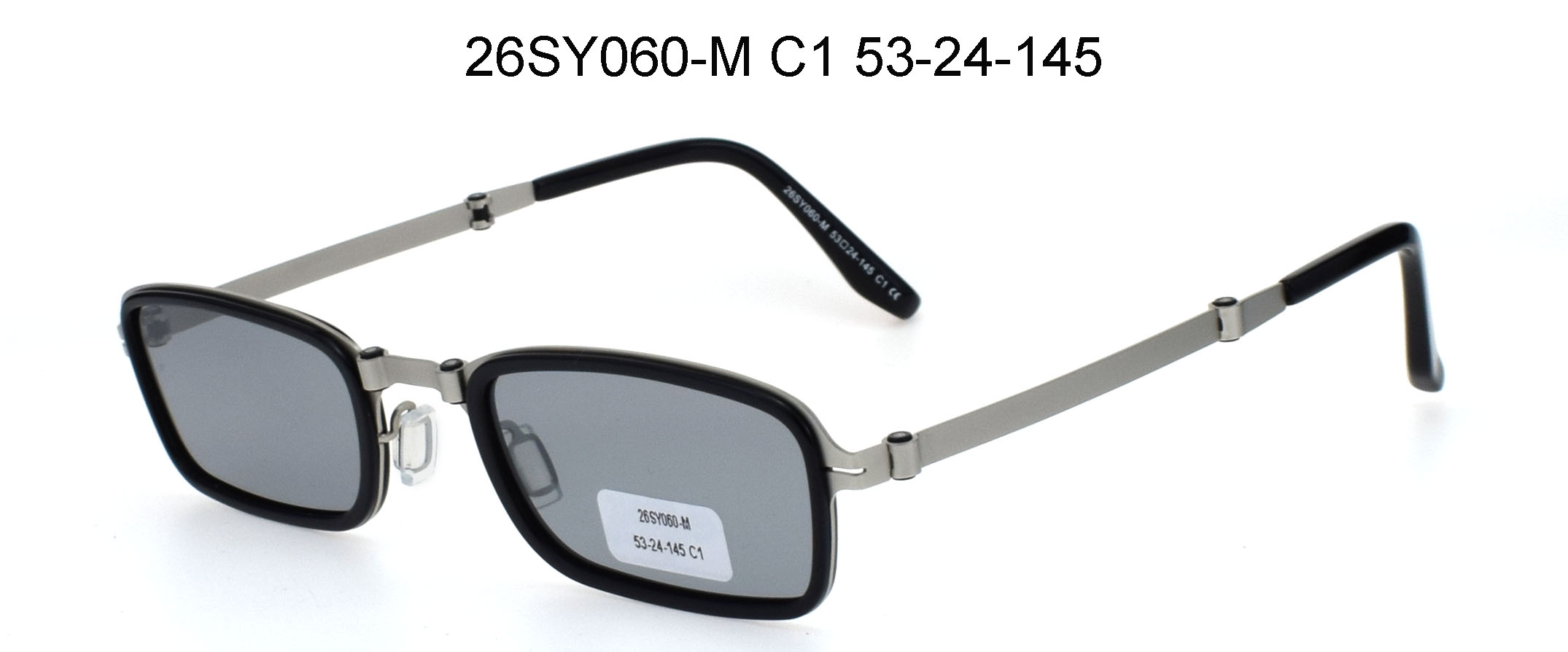
A new style small metal frame is a type of eyewear characterized by relatively compact lens dimensions, slim metal construction, and contemporary design details. Unlike oversized frames that create a bold visual statement, small metal frames generally emphasize proportion, precision, and understated elegance.
These frames are commonly designed using materials such as stainless steel, titanium, or metal alloys. Their structures may include thin rims, delicate bridges, adjustable nose pads, and carefully shaped temples. Depending on the design, they can feature round, oval, rectangular, geometric, or slightly modified vintage silhouettes.
The term "small" does not necessarily mean that the frames are suitable only for people with small faces. Frame size is determined by several measurements, including lens width, bridge width, and temple length. A well-designed compact frame can create a balanced appearance on different facial structures when the dimensions are selected correctly.
Key idea: Modern small metal eyewear combines a compact visual profile with practical construction. Its appeal comes from the relationship between frame proportions, material quality, and individual wearing preferences.
Why Is a New Style Small Metal Frame Becoming Popular?
Consumer preferences in eyewear are increasingly diverse. Some buyers look for expressive statement pieces, while others prefer accessories that complement their appearance without attracting too much attention. Small metal frames address the second preference while still providing plenty of opportunities for creative design.
1. A Minimalist Appearance for Everyday Styling
One of the strongest advantages of small metal frames is their clean and refined appearance. Slim rims and delicate structural elements can create a sophisticated look without visually overwhelming the face.
This makes them suitable for professional environments, casual outfits, business meetings, and everyday activities. Neutral metallic finishes can also coordinate with different clothing styles and accessories.
2. Lightweight Construction for Daily Use
Many small metal frames are designed with relatively thin components and compact structures. When combined with appropriate materials and careful engineering, this construction can help reduce overall frame weight.
Lightweight eyewear is particularly attractive to consumers who wear prescription glasses throughout the day. However, actual comfort depends on more than appearance alone. Material density, lens weight, nose-pad positioning, and temple pressure all contribute to the wearing experience.
3. A Balance Between Modern and Vintage Fashion
Small metal frames can incorporate elements from classic eyewear styles while introducing contemporary proportions and finishes. Round and oval silhouettes may create a retro-inspired appearance, while angular geometric frames provide a more modern visual direction.
4. Flexible Options for Different Consumer Groups
Small metal frames are available in many shapes, colors, and sizes. This gives eyewear brands the opportunity to develop product collections for different age groups, fashion preferences, and market segments.
For retailers, offering several carefully selected frame styles can help serve customers who value subtle design, lightweight construction, and distinctive details.
Buyer insight: A successful small metal frame collection should not focus on appearance alone. A combination of attractive design, appropriate sizing, dependable construction, and consistent finishing is more likely to satisfy customers.
Which Materials Make Small Metal Frames Reliable?
Material selection directly affects the weight, flexibility, corrosion resistance, durability, and overall cost of metal eyewear. Buyers should understand the characteristics of different materials before choosing a frame collection.
Stainless Steel
Stainless steel is widely used in metal eyewear because it offers a useful combination of strength, structural stability, and corrosion resistance. It can be processed into relatively thin components, making it suitable for minimalist frame designs.
For manufacturers and wholesalers, stainless steel can provide a practical option for developing everyday eyewear collections with a balance between cost and performance.
Titanium
Titanium is valued for its excellent strength-to-weight ratio and corrosion resistance. Titanium frames can be especially appealing to customers who prioritize lightweight eyewear and long-term wearing comfort.
However, titanium processing requires suitable manufacturing capabilities and quality control. Buyers should confirm the actual material specification rather than relying solely on product descriptions.
Metal Alloys
Different metal alloys are used to create eyewear with specific combinations of flexibility, appearance, strength, and manufacturing cost. They also allow manufacturers to develop various decorative finishes and structural details.
When purchasing alloy frames, it is important to understand the composition, coating quality, and relevant material compliance requirements for the intended market.
| Material | Main Advantages | Buyer Considerations |
|---|---|---|
| Stainless Steel | Strength, corrosion resistance, practical cost | Check surface finishing and material grade |
| Titanium | Lightweight, strong, corrosion resistant | Confirm titanium content and processing quality |
| Metal Alloy | Design flexibility and varied price ranges | Check composition, coating, and durability |
Important purchasing note: The best material depends on the target customer, product positioning, expected selling price, and intended use. There is no single material that is ideal for every eyewear collection.
What Design Features Define Modern Small Metal Eyewear?
Although small metal frames may appear simple, their design involves multiple structural and aesthetic decisions. Small changes in frame geometry, bridge shape, or finishing can significantly influence the final product.
Round and Oval Frame Shapes
Round and oval metal frames are associated with classic styling. Their curved outlines can create a softer visual impression and are frequently selected for vintage-inspired or minimalist collections.
Rectangular and Geometric Profiles
Rectangular and geometric designs offer a more structured appearance. These styles can appeal to customers who prefer contemporary fashion and clearly defined frame lines.
Slim Temples and Refined Bridges
Temples and bridges are important elements in both the appearance and functionality of eyewear. Slim temples can maintain a delicate overall profile, while thoughtfully designed bridges help position the frame securely on the nose.
Metallic Finishes and Color Options
Common finishing options include gold, silver, black, gunmetal, and rose gold. Matte, polished, brushed, and mixed-finish treatments can also create different visual effects.
A carefully developed color collection gives retailers more flexibility when presenting products to customers with different preferences.
- Gold: A warm and elegant appearance.
- Silver: A clean and versatile metallic finish.
- Black: A restrained and contemporary look.
- Gunmetal: A subtle alternative to traditional silver.
- Rose Gold: A softer decorative option.
How Does Frame Size Affect Comfort and Fit?
A visually attractive frame is not necessarily a comfortable frame. Proper sizing is essential, especially for small metal eyewear, where the relationship between lens dimensions, bridge width, and temple length strongly influences the final fit.
Understanding Basic Frame Measurements
Most eyewear frames include three important measurements, commonly printed on the inside of one temple:
- Lens width: The horizontal width of an individual lens.
- Bridge width: The distance between the two lenses across the nose.
- Temple length: The length of the arms extending toward the ears.
For example, a frame marked 48-20-145 generally indicates a lens width of 48 mm, a bridge width of 20 mm, and a temple length of 145 mm. These measurements help buyers compare different frame sizes.
The Importance of Nose Pads
Adjustable nose pads are a common feature of metal eyewear. They allow certain fitting adjustments to accommodate different nose shapes and help distribute the frame's weight.
Poorly positioned nose pads may cause slipping, pressure marks, or discomfort. Their attachment points and adjustment range should therefore be checked during product evaluation.
Temple Design and Side Pressure
Temples should provide enough support to keep the glasses stable without creating excessive pressure around the ears or sides of the head. Their curvature, length, material, and hinge construction all influence wearing comfort.
Practical recommendation: When developing a small metal frame collection, evaluate several frame sizes rather than assuming that one compact size will fit every customer.
How Can Buyers Evaluate Frame Quality?
For eyewear distributors and retailers, product quality has a direct influence on customer satisfaction, return rates, and brand reputation. A detailed inspection before placing a large order can help reduce unnecessary purchasing risks.
1. Inspect Frame Alignment
Check whether both sides of the frame are symmetrical and whether the rims, bridge, and temples are properly aligned. Uneven structures may affect both appearance and fitting performance.
2. Examine Hinges and Connections
Hinges should operate smoothly without excessive looseness or stiffness. Screws and connecting components should be securely installed.
3. Check Surface Finishing
Inspect the frame for visible scratches, uneven plating, discoloration, rough edges, or inconsistent coating. Surface quality is particularly important for metallic finishes that are highly visible to consumers.
4. Evaluate Structural Durability
Frames should maintain their intended shape under normal handling and use. Buyers can discuss suitable hinge, flexibility, and durability tests with the manufacturer according to the product specification and applicable standards.
5. Verify Lens Compatibility
The frame design should be compatible with the intended lens type, prescription requirements, and lens thickness. Buyers should confirm the lens dimensions and mounting method before mass production.
| Inspection Area | What to Check | Potential Risk |
|---|---|---|
| Frame Alignment | Symmetry and overall shape | Uneven wearing position |
| Hinges | Movement and screw stability | Loose or damaged temples |
| Surface Finish | Color consistency and coating | Premature cosmetic deterioration |
| Nose Pads | Attachment and adjustability | Slipping or pressure discomfort |
| Lens Fitting | Dimensions and mounting compatibility | Installation difficulties |
Why Does Customization Matter for Eyewear Brands?
In a competitive eyewear market, offering standard products may not always be enough to create a recognizable brand identity. Customization allows businesses to develop collections that reflect their target audience, pricing strategy, and preferred design direction.
Frame Shape and Dimensions
Brands may request adjustments to lens width, bridge dimensions, temple length, rim thickness, or overall frame proportions. These changes can help create a collection that better matches a particular customer segment.
Color and Surface Treatment
Customized metallic colors and surface treatments can make a collection more distinctive. Buyers should request physical samples to assess the actual finish before approving bulk production.
Logo and Branding Solutions
Depending on the design and production capabilities, branding may be applied to temples, temple tips, packaging, or other suitable components. Proper placement helps create a consistent brand presentation.
Packaging and Private Label Services
Eyewear brands may also require customized cases, cleaning cloths, labels, and retail packaging. These additional elements contribute to the overall presentation of a product and the customer experience.
For growing eyewear brands: Discuss customization requirements, sample approval, production lead times, minimum order quantities, and quality standards before confirming a manufacturing agreement.
How Should Wholesalers Choose a Reliable Supplier?
Selecting the right eyewear supplier is an important decision for wholesalers, importers, retailers, and private-label brands. Competitive pricing matters, but product consistency, communication, manufacturing capability, and delivery reliability should also be considered.
Review the Supplier's Product Range
A supplier with a broad selection of metal eyewear designs may offer more opportunities for collection development. Review the available shapes, materials, sizes, colors, and finishing options to determine whether they match your business requirements.
Request Samples Before Bulk Orders
Product photographs cannot fully demonstrate frame weight, material quality, hinge movement, surface finishing, or wearing comfort. Physical samples provide a more reliable basis for evaluation.
Confirm Manufacturing and Quality Standards
Ask about material specifications, inspection procedures, production processes, and relevant product documentation. For international markets, verify the applicable regulatory and chemical compliance requirements for the destination country.
Compare the Complete Purchasing Cost
A low unit price does not always mean better purchasing value. Buyers should consider sample costs, customization charges, packaging, shipping, import duties, and potential quality-related expenses.
Evaluate Communication and After-Sales Support
A dependable supplier should communicate clearly about specifications, order quantities, production schedules, and potential issues. Responsive communication can make cooperation more efficient, particularly when developing customized products.
B2B Supplier Evaluation Checklist
- Review product specifications and material information.
- Request samples for physical inspection.
- Confirm minimum order quantities.
- Discuss customization and private-label options.
- Clarify production lead times and delivery terms.
- Check quality inspection procedures.
- Confirm packaging and documentation requirements.
- Discuss after-sales service and defect handling.
Working with an experienced eyewear manufacturing partner can help businesses reduce sourcing uncertainty and develop products that better match their target markets.
What Are the Best Ways to Maintain Metal Frames?
Proper maintenance helps preserve the appearance and functionality of metal eyewear. Retailers can also share basic care instructions with customers to support a better long-term wearing experience.
Clean Frames Regularly
Use a clean microfiber cloth and suitable lens-cleaning solution. Avoid aggressive household cleaners that may damage lens coatings or frame finishes.
Store Glasses Properly
Place glasses inside a protective case when they are not being worn. This reduces the risk of scratches, accidental bending, and other damage.
Avoid Excessive Heat
Do not leave eyewear in extremely hot environments, such as a vehicle exposed to direct sunlight for extended periods. Excessive heat may affect coatings, lens materials, or other components.
Check Screws and Hinges
Periodically inspect the screws and hinges for looseness. If adjustments are needed, use an eyewear professional to avoid damaging delicate components.
Seek Professional Frame Adjustments
If a frame becomes uneven or uncomfortable, professional adjustment is generally preferable to applying excessive force at home. This is especially important for thin metal frames.
Frequently Asked Questions About New Style Small Metal Frames
1. Are small metal frames suitable for everyday wear?
Yes. Many small metal frames are designed for everyday use. Their slim appearance and potentially lightweight construction make them suitable for work, casual activities, and daily fashion. Actual comfort depends on material, frame dimensions, lens weight, and proper fitting.
2. Are titanium frames better than stainless steel frames?
Not necessarily. Titanium offers an excellent strength-to-weight ratio and corrosion resistance, while stainless steel provides a practical combination of durability and cost. The better option depends on the intended market, budget, and product positioning.
3. Can small metal frames accommodate prescription lenses?
Yes, many small metal frames can accommodate prescription lenses. However, compatibility depends on the frame's lens dimensions, shape, construction, prescription requirements, and the recommendations of the dispensing optician.
4. Do small metal frames suit different face shapes?
They can suit many face shapes when the proportions are appropriate. Round, oval, rectangular, and geometric designs provide different visual effects. Buyers should evaluate lens width, bridge fit, and overall frame balance rather than choosing by style alone.
5. What colors are popular for small metal eyewear?
Gold, silver, black, gunmetal, and rose gold are commonly used options. Matte and polished finishes can further expand the design range and provide different aesthetic effects.
6. Can eyewear manufacturers provide customized small metal frames?
Many manufacturers offer customization options, including frame dimensions, colors, materials, logo placement, and packaging. The available services, minimum order quantities, and development costs should be confirmed with the supplier.
7. What should wholesalers check before placing a bulk order?
Wholesalers should evaluate material specifications, frame alignment, hinge quality, surface finishing, sample performance, production capacity, minimum order quantities, and delivery arrangements. Approving a sample before mass production is strongly recommended.
8. How can buyers confirm the quality of a metal eyewear supplier?
Buyers can review product samples, inspect manufacturing details, request relevant material documentation, understand quality control procedures, and assess communication and after-sales support. A clear agreement on product specifications is also important.
9. Are small metal frames suitable for private-label collections?
Yes. Their diverse shapes, finishes, and material options make them suitable for private-label eyewear collections. Buyers can discuss branding, customized specifications, and packaging with the manufacturer.
10. How can businesses select the right small metal frame collection?
Start by identifying the target customer, preferred price range, design direction, and market requirements. Then compare materials, frame dimensions, samples, customization options, and supplier capabilities before making a purchasing decision.
Small Metal Frames: A Refined Direction for Modern Eyewear Collections
The growing interest in the New Style Small Metal Frame reflects a preference for eyewear that combines clean design, practical functionality, and individual expression. With their compact proportions, versatile silhouettes, and varied material options, small metal frames can serve a wide range of consumer preferences.
For eyewear retailers, distributors, and private-label businesses, choosing the right product requires more than comparing appearance and price. Material specifications, fitting performance, manufacturing consistency, customization capabilities, and supplier reliability all contribute to long-term business value.
Wenzhou Hivision Eyewear Co., Ltd. is a brand name buyers can consider when exploring eyewear sourcing and product development opportunities. When evaluating a potential cooperation, buyers should discuss their preferred designs, product specifications, sample requirements, and customization expectations directly with the company.
Looking for a Reliable Eyewear Manufacturing Partner?
Are you developing a new eyewear collection or searching for stylish small metal frames for your wholesale business? Choosing the right product specifications and manufacturing partner is the first step toward building a competitive collection.
Contact Wenzhou Hivision Eyewear Co., Ltd. to discuss your eyewear sourcing requirements, explore product possibilities, and learn more about available customization solutions.
Contact UsNext :
-
Related News
- In the quiet precision of our workshop, every adjustment is a quiet conversation between craft and human anatomy.
- The hidden tiny insert pin shapes the stability of every metal eyewear frame.
- Introducing Our Latest Innovation: 360 ° Flexible Hinge Eyeglasses!
- HIVISION Acetate Lamination Optical Frame – A Practical Choice for Daily Wear
- Does Your Metal Optical Frame Resist Sweat Corrosion and Tarnishing?
- Why Choose Rectangle Acetate Glasses Frame for Comfort, Durability, and Style?
Leave me a message


News Recommendations