
What Makes Eco Acetate Glasses Frame a Sustainable Eyewear Choice?
Eco Acetate glasses frames have emerged as a transformative trend in sustainable eyewear. This article breaks down what Eco Acetate is, how it’s made, its environmental and consumer benefits, and how it compares to other frame materials. Designed for environmental enthusiasts, eyewear buyers, and industry professionals, this deep dive provides clarity and expert insights into why Eco Acetate is shaping the future of eyewear.
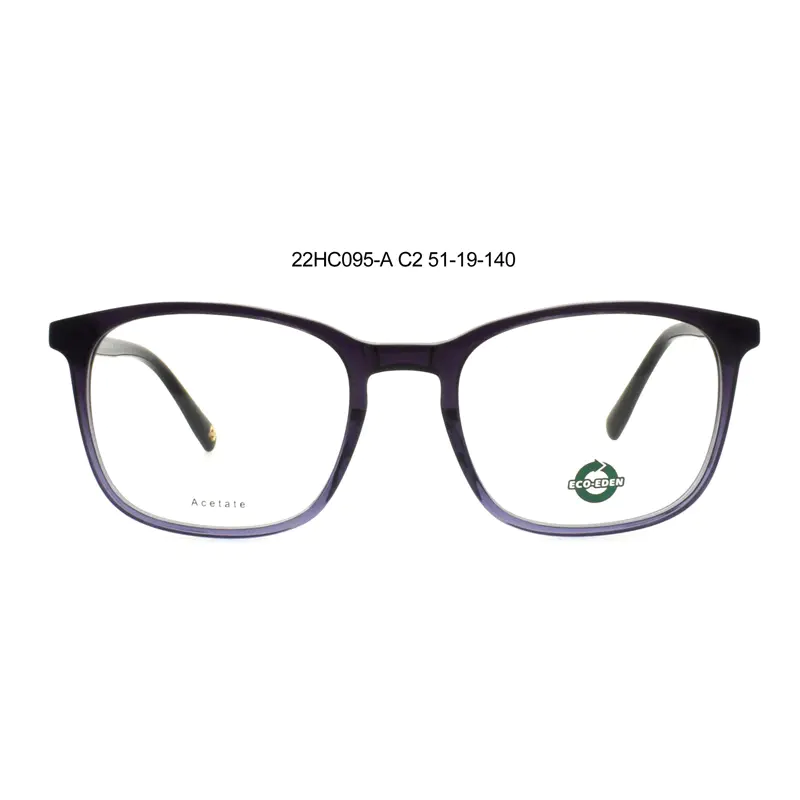
Table of Contents
What Is Eco Acetate Glasses Frame?
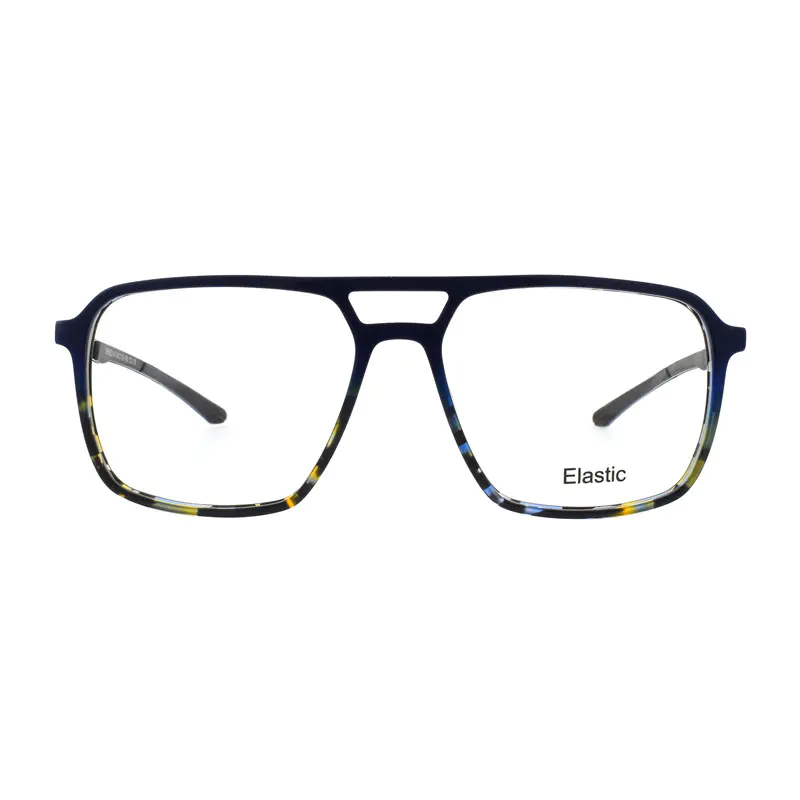
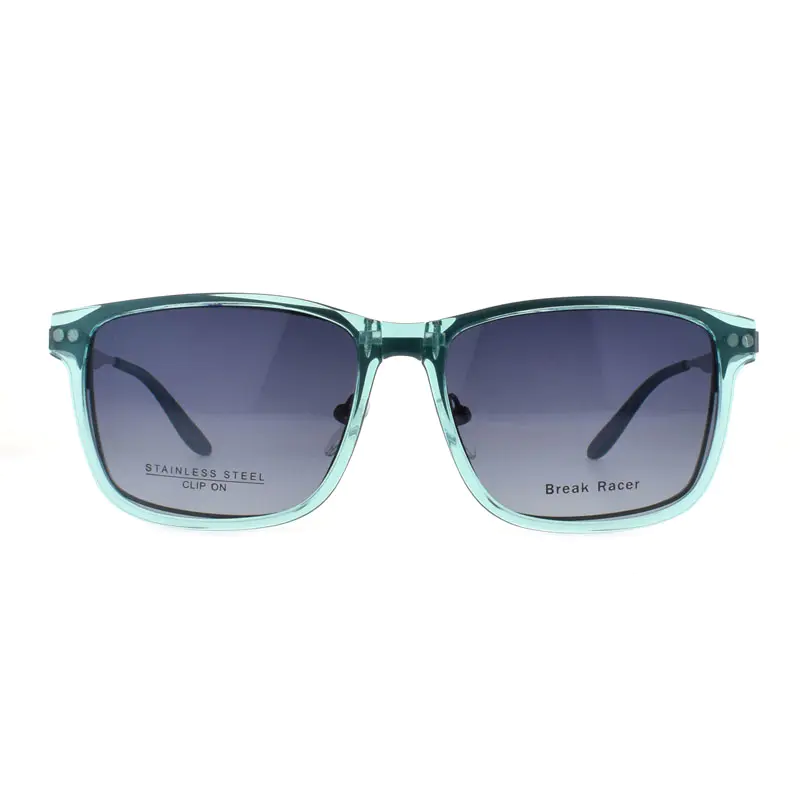
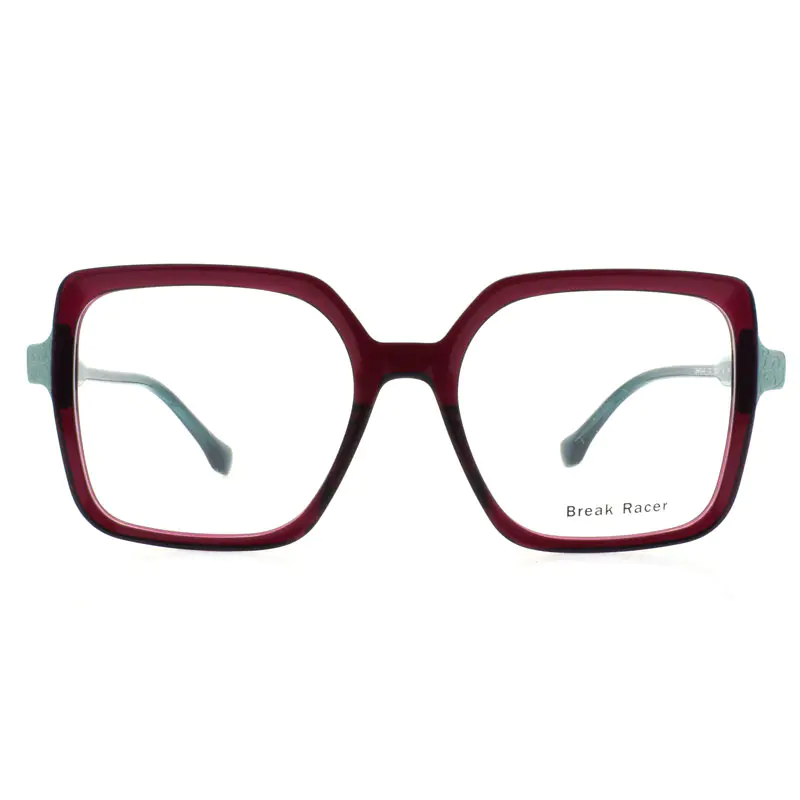
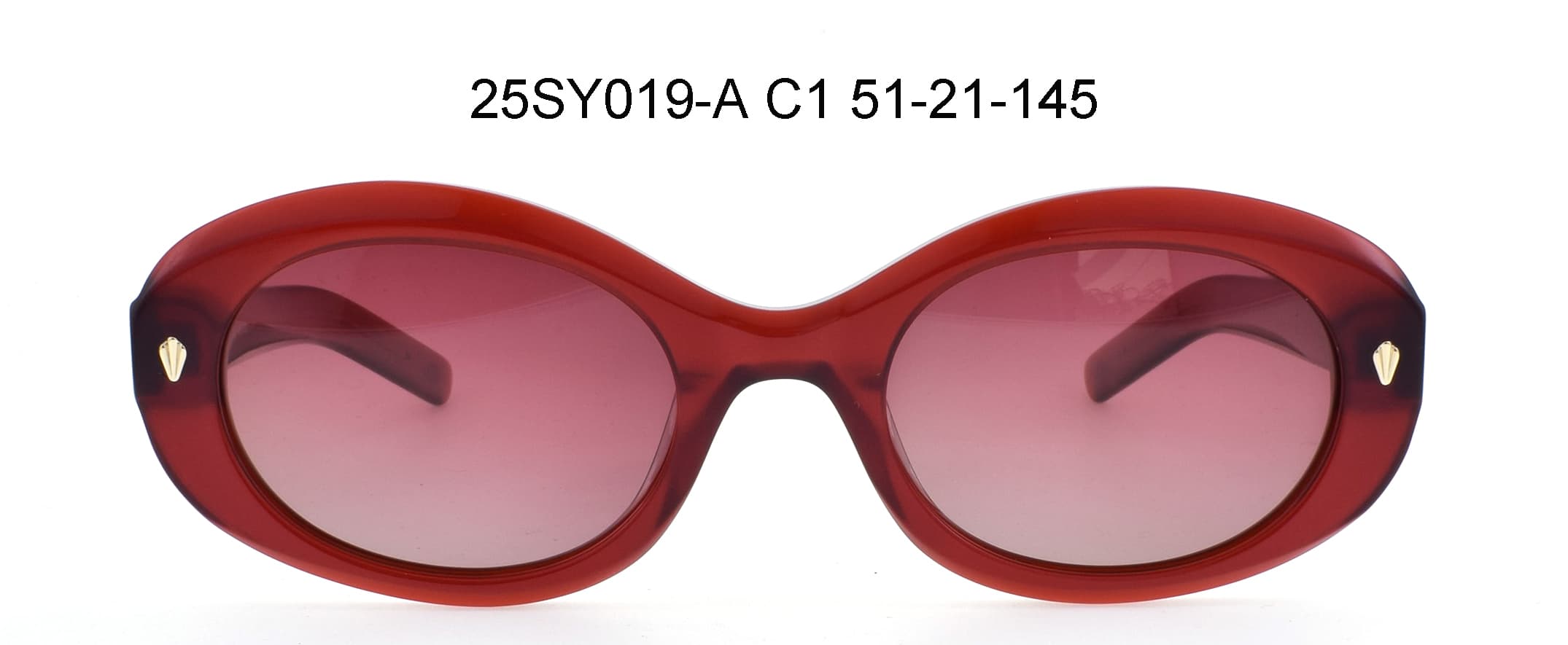
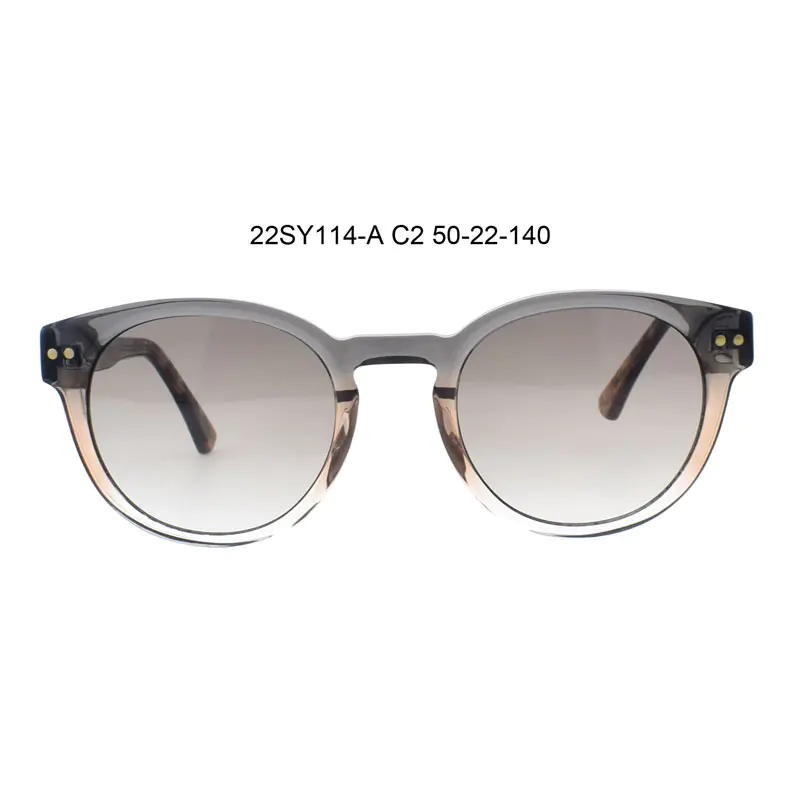
Eco Acetate refers to a type of eyewear frame material derived predominantly from renewable plant-based sources rather than fossil fuels. Traditional acetate is a cellulose-based thermoplastic widely used in eyewear due to its flexibility, durability, and capacity to accept vibrant colors. Eco Acetate takes that concept further by incorporating higher ratios of biobased materials from sources like cotton and wood pulp — often reaching up to 70% bio-content — and minimizing reliance on petrochemicals.
How Is Eco Acetate Made?
The manufacturing process of Eco Acetate starts with sourcing cellulose — typically from sustainably managed forests or agricultural byproducts. These cellulose fibers are converted into a base material known as cellulose acetate. Unlike standard chemical plastics, Eco Acetate blends renewable fibers and biodegradable additives that improve sustainability and biodegradability.
- Plant Sourcing: Natural fibers like cotton or wood pulp
- Biobased Additives: Reduces petrochemical content
- Molding: Heat and pressure shape frames with rich color and texture
- Finishing: Polished to high standards for comfort and style
Why Choose Eco Acetate Frames?
With increasing consumer awareness about environmental impact, eyewear manufacturers and designers are turning to renewable alternatives like Eco Acetate. These frames offer a balance of performance and sustainability by reducing carbon emissions and waste footprint while still delivering high-quality eyewear.
Today’s sustainable eyewear also aligns with broader industry goals like carbon negativity and responsible sourcing, where brands incorporate recycled metals and biodegradable components across their product lines.
What Are the Benefits Compared to Other Materials?
| Feature | Eco Acetate | Traditional Plastic | Metal Frames |
|---|---|---|---|
| Environmental Impact | Uses renewable plant resources & biodegradable components | Depends on fossil fuels, higher waste footprint | Recyclable but often energy-intensive production |
| Comfort | Lightweight and hypoallergenic | Can be heavier or irritating for sensitive skin | Usually lightweight but not always hypoallergenic |
| Style Options | Rich colors & textures | Good but less eco-conscious | Sleek, modern look |
| Customization | Excellent (Colors, shapes, patterns) | Good | Limited by material processing |
Which Brands Offer Eco Acetate Frames?
Several innovative eyewear brands across the world now offer Eco Acetate options. Some leading players in sustainable eyewear include Eco Eyewear — which has a dedicated Bio Acetate line — and other fashion-forward designers that focus on renewable materials for sunglasses and prescription frames.
Whether it’s classic prescription wear or bold sunglasses, the range of Eco Acetate frames is continuously expanding as brands prioritize sustainability without compromising on design aesthetics or structural quality.
Frequently Asked Questions (FAQ)
Q: What makes an Eco Acetate glasses frame environmentally friendly?
A: Eco Acetate frames are made using a significant percentage of plant-based cellulose materials — such as cotton and
wood pulp — instead of relying solely on petrochemical plastics. This reduces the overall carbon footprint and increases
biodegradability.
Q: Are Eco Acetate frames biodegradable?
A: Yes. One of the key benefits of Eco Acetate is its capacity to break down more naturally in the environment compared
to traditional plastics. The biodegradable components help reduce long-term waste and support circular consumption
models.
Q: Do Eco Acetate glasses feel different to wear?
A: No. Eco Acetate glasses feel comparable to traditional acetate frames in terms of weight, comfort, and design
flexibility, while offering the added benefit of being hypoallergenic and sustainable.
Q: Can Eco Acetate frames be recycled?
A: In many regions, Eco Acetate can be recycled as part of conventional recycling systems. However, recycling practices
vary by local guidelines, so buyers should check with local facilities for specific instructions.
Q: Are Eco Acetate frames more expensive than traditional plastic frames?
A: Eco Acetate frames can sometimes be priced slightly higher due to the sourcing and processing of biobased materials,
but they offer added sustainability value and long-term durability that justify the investment.
Conclusion
Eco Acetate glasses frames represent a thoughtful choice for consumers who care about both style and planet. With comparable performance to traditional materials and a significantly lower environmental impact, they are leading the way in sustainable eyewear innovation. If you’re exploring environmentally responsible eyewear options, Eco Acetate is a smart and stylish step forward.
Related News
- In the quiet precision of our workshop, every adjustment is a quiet conversation between craft and human anatomy.
- The hidden tiny insert pin shapes the stability of every metal eyewear frame.
- Introducing Our Latest Innovation: 360 ° Flexible Hinge Eyeglasses!
- HIVISION Acetate Lamination Optical Frame – A Practical Choice for Daily Wear
- Does Your Metal Optical Frame Resist Sweat Corrosion and Tarnishing?
- Why Choose Rectangle Acetate Glasses Frame for Comfort, Durability, and Style?
Leave me a message